- Droppings, tracks or grease marks
- Gnawed packaging, timber or wiring
- Scratching sounds in ceilings or walls
 LONEZERPROJECTS
Commercial pest-control service
Rodent control
Find access points, harbourage and food sources used by rats and mice.
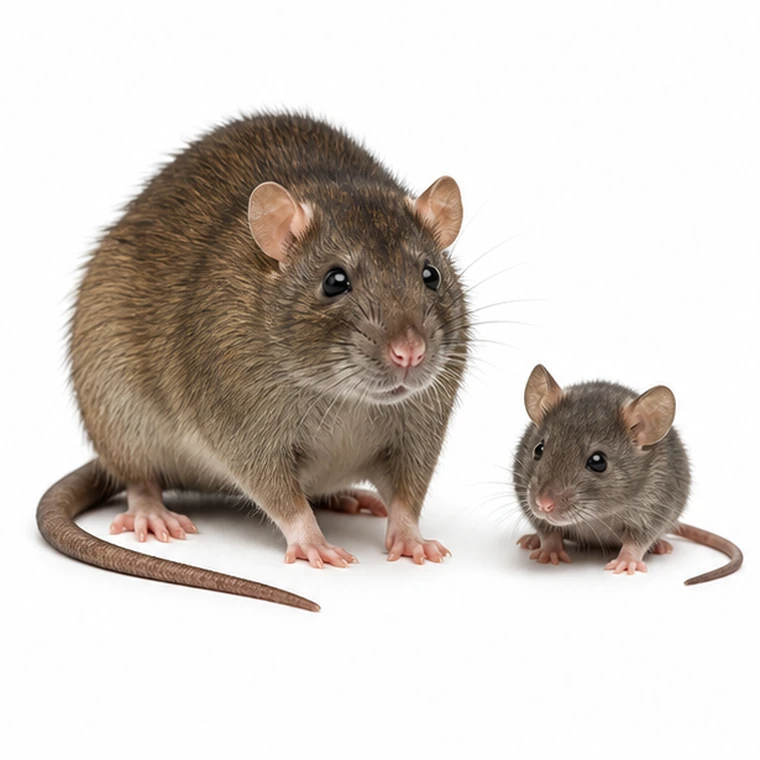
Understand the source
Visible activity is only the starting point.
Rats and mice can use roof spaces, drains, service routes, storerooms and gardens. Effective management combines evidence-based placement, sanitation, harbourage reduction and practical proofing advice. In a commercial environment, Lonezer also considers stock flow, customer areas, operating hours, contractor controls and the reporting needs of the site.
- Food and surface contamination
- Damage to stock, insulation and wiring
- Disease and parasite exposure
Where we look
High-risk areas depend on the building.
01Roof spaces and ceilings02Kitchens and pantries03Garages and stores04Refuse areas05Gardens and drains
How Lonezer approaches it
Inspect. Identify. Act with purpose.
The treatment plan is adapted to the pest evidence, level of activity, property conditions and any sensitive areas.
- 01Inspect
Review visible rodent activity, likely harbourage, access routes and the conditions supporting it.
- 02Identify
Confirm the likely pest and distinguish the active areas from old or unrelated signs.
- 03Plan
Explain the recommended treatment, preparation, safety instructions and expected follow-up.
- 04Treat
Apply the agreed site-appropriate measures in accordance with product labels and the treatment plan.
- 05Monitor
Recheck priority areas and evaluate whether activity is reducing or moving.
- 06Report
Record observations, work completed and practical actions that can help limit recurrence.
Prevention after treatment
Reduce the conditions that support recurrence.
01Secure food, animal feed and waste
02Remove dense harbourage near buildings
03Close practical gaps after routes are assessed
04Keep doors and loading areas managed
Questions customers ask
Clear answers before work begins.
Why is proofing important?
Removing rodents without addressing access can leave the property open to new activity. Proofing recommendations should suit the building and confirmed route.
Are traps always enough?
The response depends on the species, population, route and site risk. Lonezer selects measures after inspection.
Free inspection and quotation
Let us assess the site.
Share the location, property type, signs and urgency. Lonezer will confirm availability and appointment details.