- Bites, often around lower legs
- Pets scratching or visible parasites
- Activity in bedding, carpets, kennels or grass
 LONEZERPROJECTS
Residential pest-control service
Flea & tick control
Address indoor resting areas, outdoor habitat and the animal connection.
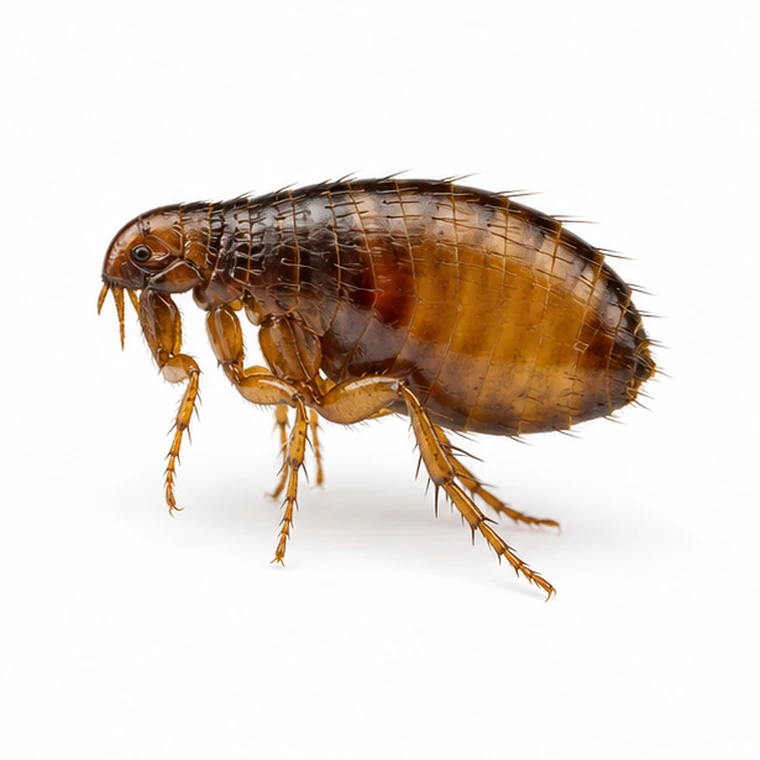
Understand the source
Visible activity is only the starting point.
Fleas and ticks are often associated with pets, livestock, wildlife and sheltered resting areas. Pest control should be coordinated with appropriate veterinary advice for animals.
- Skin irritation and animal discomfort
- Persistent life cycles in protected areas
- Potential disease transmission
Where we look
High-risk areas depend on the building.
01Pet bedding and carpets02Upholstered furniture03Kennels and animal housing04Lawns and shaded soil05Cracks around resting areas
How Lonezer approaches it
Inspect. Identify. Act with purpose.
The treatment plan is adapted to the pest evidence, level of activity, property conditions and any sensitive areas.
- 01Inspect
Review visible flea or tick activity, likely harbourage, access routes and the conditions supporting it.
- 02Identify
Confirm the likely pest and distinguish the active areas from old or unrelated signs.
- 03Plan
Explain the recommended treatment, preparation, safety instructions and expected follow-up.
- 04Treat
Apply the agreed site-appropriate measures in accordance with product labels and the treatment plan.
- 05Monitor
Recheck priority areas and evaluate whether activity is reducing or moving.
- 06Report
Record observations, work completed and practical actions that can help limit recurrence.
Prevention after treatment
Reduce the conditions that support recurrence.
01Use veterinarian-approved animal protection
02Wash animal bedding and vacuum thoroughly
03Maintain kennels and grass
04Manage wildlife access where practical
Questions customers ask
Clear answers before work begins.
Must pets also be treated?
Animal treatment should be discussed with a veterinarian. Treating the property alone may not break the full life cycle.
Why are fleas still seen after treatment?
Developing stages can emerge after initial work. Follow-up, vacuuming and animal care may be important depending on the plan.
Free inspection and quotation
Let us assess the site.
Share the location, property type, signs and urgency. Lonezer will confirm availability and appointment details.