- Repeated flight to one opening
- Visible comb or nest material
- Defensive activity near a fixed point
 LONEZERPROJECTS
Residential pest-control service
Wasp & bee assessment
Assess stinging-insect activity safely before a nest is disturbed.
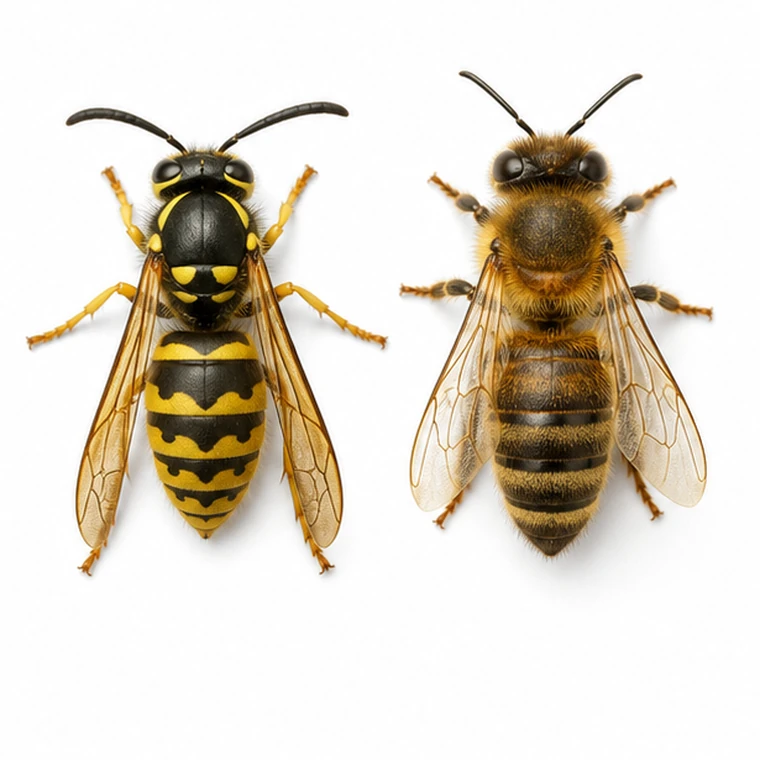
Understand the source
Visible activity is only the starting point.
Stinging insects can create a serious risk near doors, roofs, play areas and work zones. Lonezer identifies the activity and considers safe, responsible options. Bees may require relocation by an appropriate specialist where feasible.
- Painful stings
- Severe allergic reaction for susceptible people
- Aggressive activity if a nest is disturbed
Where we look
High-risk areas depend on the building.
01Roof and wall voids02Eaves and trees03Sheds and outbuildings04Ground cavities05Play and outdoor dining areas
How Lonezer approaches it
Inspect. Identify. Act with purpose.
The treatment plan is adapted to the pest evidence, level of activity, property conditions and any sensitive areas.
- 01Inspect
Review visible stinging insect activity, likely harbourage, access routes and the conditions supporting it.
- 02Identify
Confirm the likely pest and distinguish the active areas from old or unrelated signs.
- 03Plan
Explain the recommended treatment, preparation, safety instructions and expected follow-up.
- 04Treat
Apply the agreed site-appropriate measures in accordance with product labels and the treatment plan.
- 05Monitor
Recheck priority areas and evaluate whether activity is reducing or moving.
- 06Report
Record observations, work completed and practical actions that can help limit recurrence.
Prevention after treatment
Reduce the conditions that support recurrence.
01Do not block or disturb an active entrance
02Keep people and animals away from the area
03Seek assessment before attempting removal
04Seal old gaps only after activity has ended
Questions customers ask
Clear answers before work begins.
Should I spray a nest myself?
Disturbing a nest can trigger defensive behaviour. Keep clear and request an assessment, especially near occupied areas.
Will bees always be killed?
Not necessarily. Identification, location and safety determine the option, and relocation may be considered by an appropriate specialist.
Free inspection and quotation
Let us assess the site.
Share the location, property type, signs and urgency. Lonezer will confirm availability and appointment details.