Common signs
- Frequent flight to one point
- Visible nest material
- Activity in roof or wall voids
 LONEZERPROJECTS
Flying pests · Order Hymenoptera
Nests near occupied areas may create a stinging risk and need careful assessment.
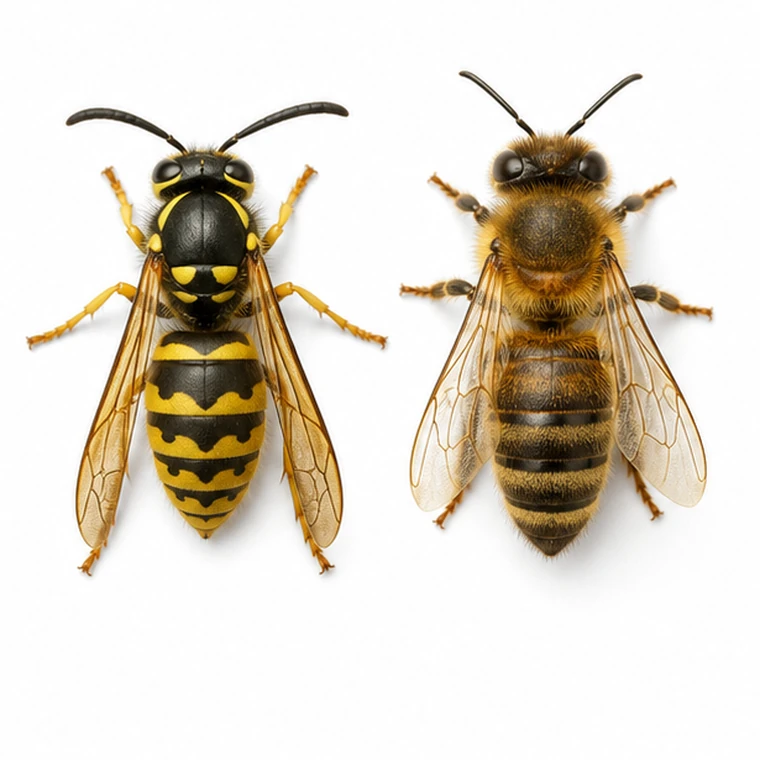
Appearance and behaviour
Wasps & bees activity depends on access, food, moisture, shelter and seasonal conditions. Correct identification matters because similar-looking pests can require different responses.
Appearance can vary by species and life stage. Avoid relying on colour or size alone; droppings, damage, location, time of activity and movement pattern can all help identification.
Why it enters
Kitchens, roof spaces, bedrooms, gardens, drains and stored belongings can provide different resources or routes.
Deliveries, loading doors, stock, waste, service ducts and operating hours can increase exposure and movement.
Fields, feed, grain, packhouses, animal areas and open structures need site-specific monitoring and prevention.
Lonezer's treatment process
No permanent result is promised without understanding the pest, activity and property conditions.
Assess evidence, access and contributing conditions.
Confirm the likely pest and active areas.
Explain treatment, preparation and safety guidance.
Carry out the agreed site-appropriate measures.
Review priority areas when follow-up is needed.
Communicate findings and prevention actions.
DIY limitations
Consumer products may temporarily reduce visible activity. They may not reach concealed stages, may be unsuitable for sensitive areas and can delay correct identification.
Never mix products or use agricultural products in homes. Follow every product label and keep children, animals, food and water protected.
Request professional assessmentFrequently asked
A clear photograph can help with initial triage, but a site inspection may still be needed to confirm the pest, source and extent of activity.
A product may affect only visible pests while eggs, larvae, nests, harbourage or entry routes remain. Incorrect placement can also waste time or spread activity.
Keep the affected area accessible, avoid moving suspect items between rooms and note where and when activity was seen. Treatment-specific preparation is explained after assessment.